
LeeCovery Sometimes Closes Its Eyes During a Session.
There are moments in a massage session when I quietly close my eyes.
Not because I’m tired.
Not because I’m drifting away.
But because I’m listening—more deeply than sight allows.
The first person who truly taught me massage could not see.
He was blind, and because the world did not offer him vision, it offered him something else: a different kind of clarity. His hands were precise. His ears were attentive. He could read tension the way some people read a face—through breath, through tiny shifts in tone, through the faintest resistance in tissue. Watching him work, I realized something simple and profound: the body speaks constantly, but most of us are too noisy to hear it.
When I first began learning from him, he said something that surprised me.
“I can’t teach you with a book,” he told me. “I don’t understand a body through diagrams. I understand it through my fingertips—and through the sounds a person makes when their body tells the truth.”
Then he gave me my first lesson, and it had nothing to do with techniques or pressure.
He laid a large, thin sheet of paper on a table and placed a single strand of hair on top.
Then he covered my eyes.
“Find it,” he said. “Not by guessing. Not by rushing. Find it by becoming sensitive.”
At first, it felt impossible—almost ridiculous. A single hair on a wide sheet of paper. No sight. No shortcuts. Only skin and attention.
But I practiced.
Every day.
For three weeks, I learned what most people never need to learn: the difference between touching and feeling. The difference between moving a hand across a surface and truly listening with it. Over time, my fingertips began to notice what they used to ignore—minute textures, tiny changes in temperature, the barely-there interruption that meant: There. That’s it.
When I finally told him, “I can find it now,” he didn’t congratulate me.
He tested me.
I closed my eyes, placed my hands over the paper, slowed my breath, and searched with patience instead of urgency. And I found the hair.
Only then did he move me to the next step.
He placed another thin sheet of paper over the first, covering the strand.
“What you’ll be touching in real life—muscle, tendon, ligament, bone—won’t be sitting on the surface,” he said. “It’s hidden. It’s beneath layers. Now find the hair again.”
I practiced for weeks.
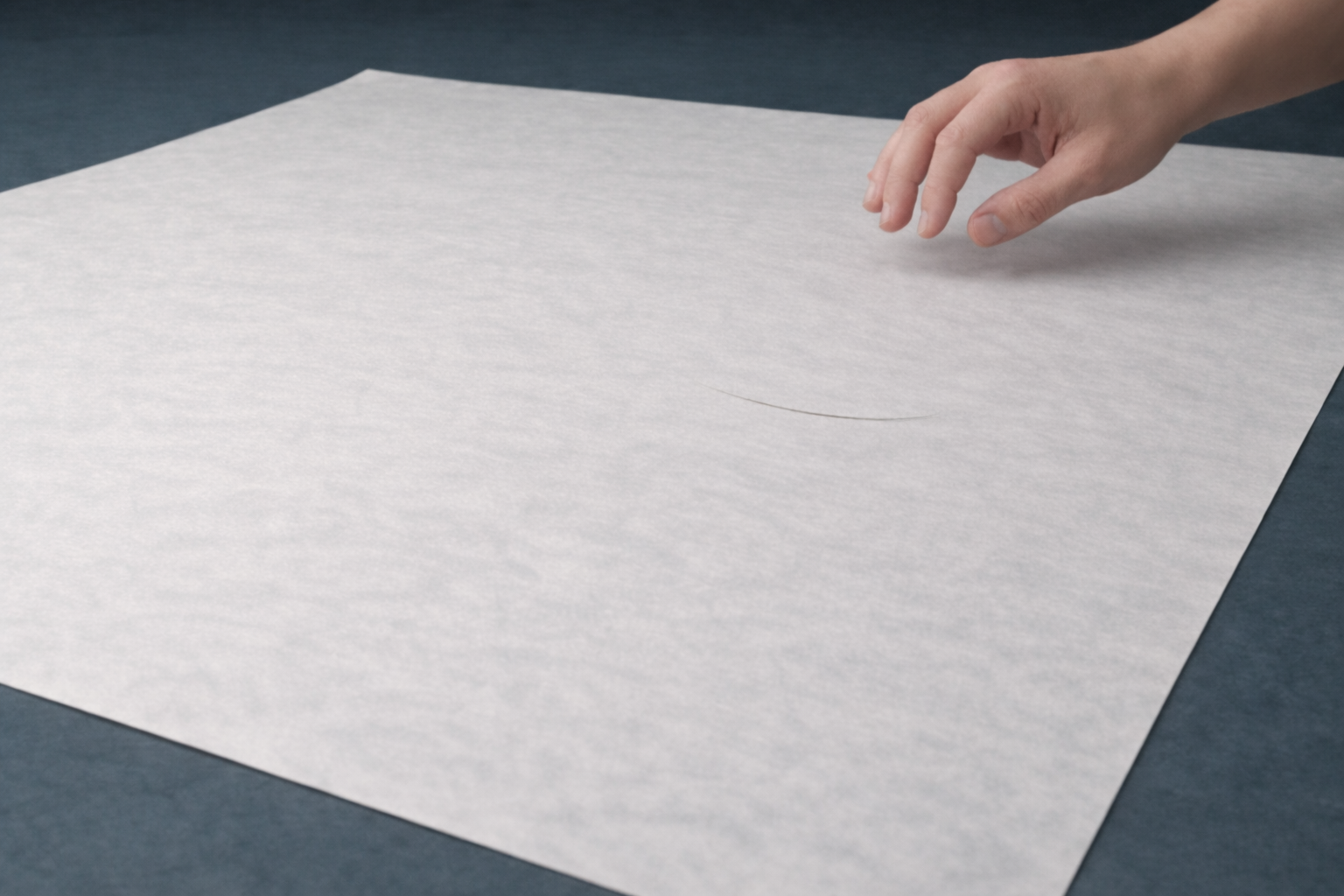
And what happened wasn’t just physical. My hands became more sensitive, yes—but my mind changed too. I began to understand that skilled touch isn’t only about strength. It’s about restraint. It’s about patience. It’s about humility—accepting that the body reveals itself gradually, and only to those who are willing to be quiet enough to notice.
After that, he finally began teaching me massage in the way people usually imagine: how to locate tissue, how to follow lines of tension, how to find the places where pain hides behind compensation. I learned under him for about a year, and then I trained under his guidance for another year—hands-on, real clients, real fatigue, real recovery.
He was the head massage therapist for a judo team—an environment that doesn’t forgive carelessness. Athletes don’t need romance; they need results. And yet what impressed me most wasn’t only how accurately he could work on exhausted bodies.
It was how he treated people.
He didn’t touch a person like a “case.” He touched them like a story.
He could sense when someone’s tension was physical… and when it was emotional armor. He could feel when a muscle was tight… and when a person was simply carrying too much life, too quietly, for too long.
That’s why, even now, I sometimes close my eyes during a session.
When I’m searching for something subtle—a deep trigger point, an acupressure point, a muscle that doesn’t want to be found—I’ll close my eyes the way I was trained to. When vision is gone, the hands get louder. The breath becomes steadier. The mind narrows to one honest task: listen.
But there’s another truth he also knew—one I only fully understood later.
This level of attention costs energy.
When you focus that deeply for an hour or more—staying present, reading the body, adjusting constantly, listening not only to tissue but to the person beneath it—you can feel a kind of mental depletion afterward. It’s not the tiredness of physical labor alone. It’s the tiredness of concentration, of carrying another person’s tension with care and responsibility.
And my teacher had an answer for that, too.
Breath.
Not as a trendy concept, not as a slogan, but as a practical tool for recovery. He taught me that the therapist must also be regulated—grounded, calm, steady—because your state becomes part of the session. Your breathing guides your pressure. Your calm guides the client’s nervous system. And afterward, breath is how you return to yourself.
When I think of him, I remember that paradox: a man who could not see, yet who could perceive people more clearly than most. A man who worked with elite athletes, yet understood that the most exhausted part of a person is not always the body.
One sentence of his has stayed with me for years:
“Don’t only look at tired bodies,” he said. “Try to see the tired minds behind them.”
I carry that line with me—especially on days when clients arrive smiling, polite, saying, “I’m fine,” while their shoulders tell a different truth. When someone’s breath is shallow. When their jaw is clenched. When their body feels like it has been bracing for months.
Sometimes, when I miss him, I close my eyes for a moment during a session and remember the paper. The hair. The silence. The patience. The lesson that touch is not only technique—it is attention, and attention is a form of respect.
If you ever notice that I’ve closed my eyes while working, please know what it means:
It means I’m present.
It means I’m listening.
It means I’m trying to find what your body has been holding—carefully, precisely—so you can finally let it go.
And in that quiet space, I’m still learning from my first teacher.
Even now.
